
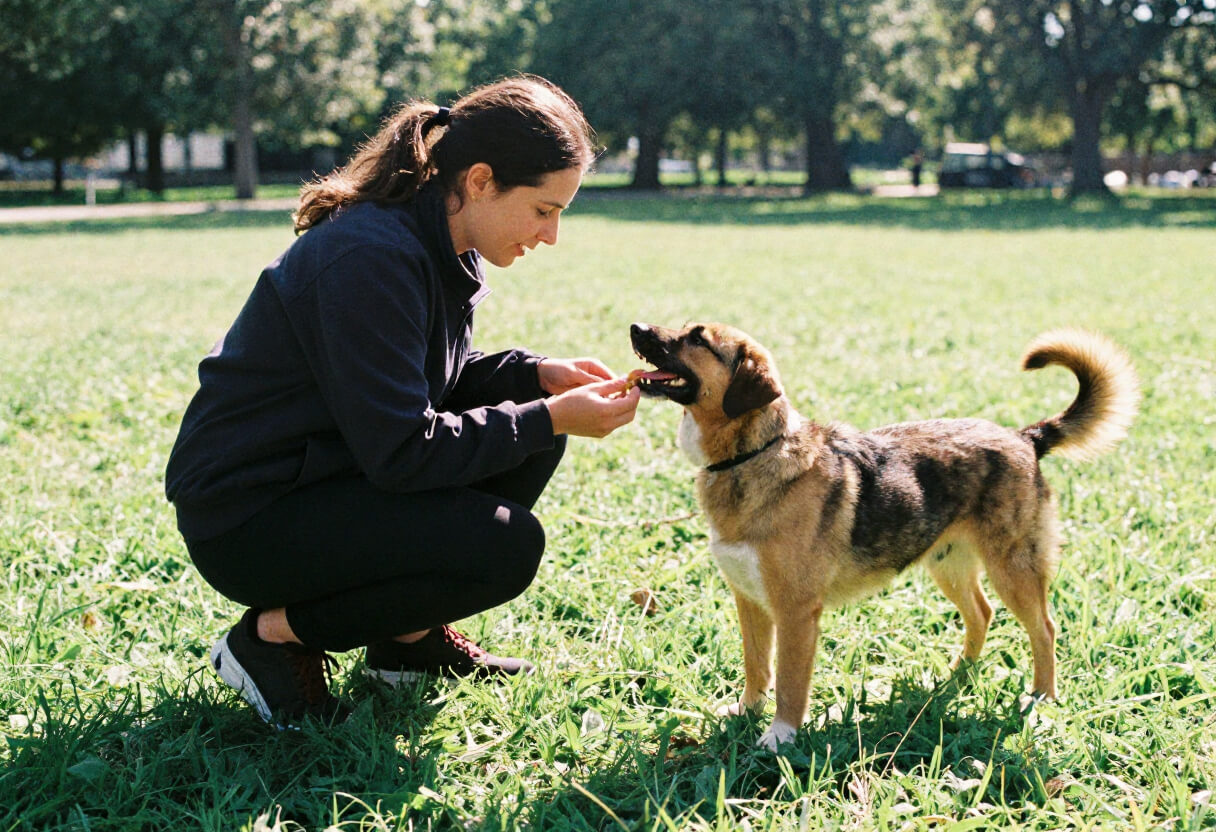
Training your pet doesn’t have to be stressful or complicated. In fact, one of the most effective and humane methods for shaping behavior is positive reinforcement. This technique relies on rewarding desirable actions so that your pet learns to repeat them. Whether you’re teaching a dog to sit, encouraging a cat to use a scratching post, or helping a small animal gain confidence, positive reinforcement builds trust, strengthens communication, and makes learning enjoyable for both you and your pet.
At its core, positive reinforcement means offering something your pet loves immediately after they perform a wanted behavior. This “reward” can be a treat, praise, playtime, or even gentle petting—anything that motivates them. Over time, your pet associates the behavior with something pleasant, increasing the likelihood that they will repeat it. This approach works across species because it taps into natural learning patterns and creates a clear link between action and outcome.
One of the main benefits of positive reinforcement is that it promotes a healthy relationship between you and your pet. Instead of relying on fear or punishment, which can damage trust, this method encourages cooperation. Pets become more eager to learn because training feels like a fun, rewarding game. This results in faster progress and a more confident, well-adjusted pet.
Timing is incredibly important when using positive reinforcement. The reward must be delivered immediately—within one or two seconds—after the desired behavior occurs. This helps your pet make the correct connection. For example, if your dog sits on command, you should reward them right away. Waiting too long may confuse them, as they might associate the treat with a different action, such as standing up or barking.
Consistency also plays a huge role in success. Everyone in the household should use the same cues and reward system. If one person rewards jumping while another ignores it, your pet will have a harder time understanding what is expected. Clear, consistent signals make training smoother and more effective.
Another valuable tool in positive reinforcement is the use of markers, such as a clicker or a simple word like “Yes!” Markers help pinpoint the exact moment your pet performs the correct behavior, making communication even clearer. With practice, your pet learns that the sound of the marker means a reward is coming, which increases motivation and focus.
Positive reinforcement doesn’t just teach obedience commands; it also helps manage unwanted behaviors. Instead of punishing your pet for doing something undesirable, you redirect them toward a better option and reward that choice. For example, if your dog jumps on guests, you can teach them to sit when greeting people. Each time they choose to sit instead of jump, you reward them. Over time, the new behavior becomes a habit.
This method is especially helpful for shy, anxious, or rescue animals. Because it is gentle and encouraging, it helps build confidence and reduces fear-based responses. Pets begin to trust that their actions lead to positive outcomes, making them more willing to engage, explore, and learn.
Finally, positive reinforcement supports long-term success. Pets trained with rewards tend to maintain good behavior more consistently than those trained through intimidation. The joy they associate with learning keeps them motivated, even as training becomes more advanced.
By focusing on patience, clarity, and encouragement, positive reinforcement training creates a strong foundation for your pet’s behavior. It strengthens your bond, promotes mutual respect, and helps your pet develop into a well-mannered and emotionally secure companion. With this approach, training becomes less of a chore and more of a joyful partnership between you and your beloved pet.