
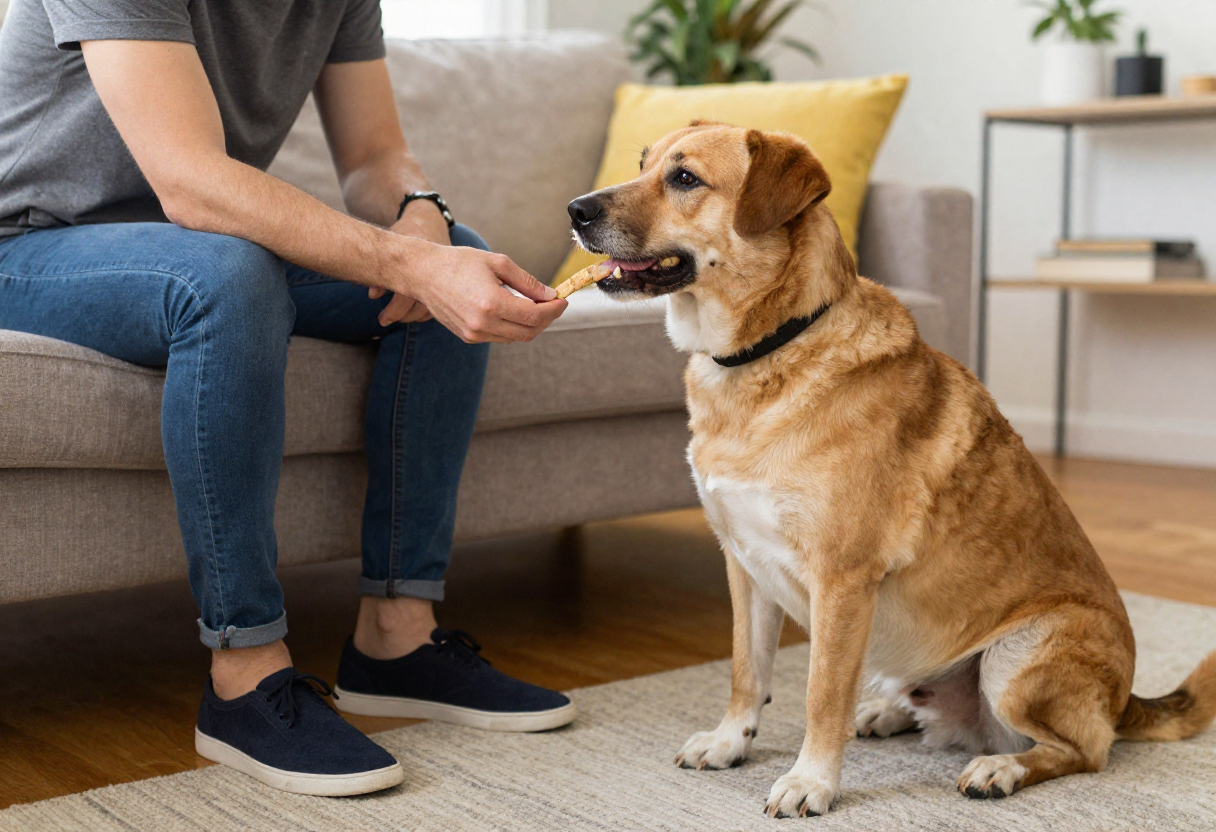
Every pet owner dreams of a well-behaved companion who listens, learns, and fits perfectly into family life. But pets are not born with manners—they learn through guidance, consistency, and trust. Whether it’s excessive barking, scratching furniture, jumping on guests, or chewing things they shouldn’t, all pets can develop unwanted behaviors if not trained properly.
The good news? With the right approach, any pet can learn good habits. Here are some of the most effective and humane ways to stop bad behavior and build a strong bond with your furry friend.
Why Pets Misbehave
Before correcting behavior, it’s important to understand why it happens. Common reasons include:
-
Boredom or lack of exercise
-
Anxiety or fear
-
Lack of training or unclear rules
-
Seeking attention
-
Natural instincts (chewing, digging, hunting behavior)
When you identify the cause, you can fix the behavior more easily and kindly.
1. Positive Reinforcement is Key
Reward good behavior instead of punishing bad behavior.
Pets repeat actions that get them praise, treats, or affection.
For example:
-
When your dog sits calmly → reward immediately
-
When your cat uses the scratching post → give treats or petting
Always reward at the exact moment the good behavior happens. This helps pets understand what you want from them.
2. Stay Consistent With Commands
Everyone in the home must use the same words for commands like “Sit,” “Stay,” or “Down.”
If one person says “Off” while another says “Stop jumping,” your pet gets confused.
Short, clear commands + same tone = faster learning.
3. Redirect, Don’t Scold
When pets do something wrong, don’t yell or physically punish—they don’t understand anger. Instead, redirect them to the correct behavior.
Examples:
-
If a dog chews shoes → offer a chew toy instead
-
If a cat scratches furniture → lift them and show the scratching post
Reward once they make the right choice!
4. Set a Daily Routine
Pets feel safe when they know what to expect. Regular feeding, walking, and playtime help reduce anxiety. A routine also prevents destructive behavior caused by boredom.
Spend at least 15–30 minutes daily playing or training your pet.
5. Socialization Matters
Introduce pets gently to new people, places, and animals.
Socialization builds confidence and reduces aggressive or fearful reactions later in life. Start early if possible, but remember — it’s never too late to learn.
6. Use Time-Outs Smartly
If a pet becomes overly excited or aggressive, a short calm break can help.
A time-out should be:
-
Brief (1–2 minutes)
-
In a quiet space
-
Not used as punishment, but to let them relax
7. Seek Professional Help When Needed
Some behaviors such as aggression or severe separation anxiety may require a certified trainer or veterinarian. Asking for help is a smart step — not a failure.
Final Thoughts
Training is not just about teaching your pet rules. It’s an opportunity to build trust, communication, and love. With patience and positive techniques, your pet will learn faster and feel happier. Remember:
💡 Good behavior grows from understanding, not fear.
A well-trained pet isn’t perfect — they’re confident, secure, and connected to you. That’s what really matters.