
Fleas and ticks are more than just annoying pests—they’re among the most common threats to your pet’s health throughout the year. These tiny parasites can trigger skin irritation, allergic reactions, infections, and even transmit serious diseases. Whether you have a dog, a cat, or both, taking proactive measures can make a huge difference in protecting your pets and keeping your home pest-free. This guide covers everything you need to know about prevention, treatment, and long-term protection.
One of the most effective ways to prevent infestations is by using monthly preventative treatments. Modern flea and tick preventatives come in several forms: topical solutions, oral chews, collars, and even long-lasting injections for certain pets. Each method has its advantages. Chews are easy to give, topicals provide strong skin-level protection, and collars offer continuous low-dose prevention. Whichever option you choose, consistency is key—missing a month can quickly open the door for parasites to return.
Understanding how fleas and ticks spread is essential for effective prevention. Fleas can jump impressive distances and thrive in warm, humid environments. They often hide in carpets, bedding, or outdoor grass. Ticks, on the other hand, lurk in bushes, wooded areas, and tall grass, waiting for a host to walk by. Once attached, ticks can transmit diseases such as Lyme disease or ehrlichiosis. Regularly checking your pets—especially after walks or outdoor play—can help you catch issues before they escalate.
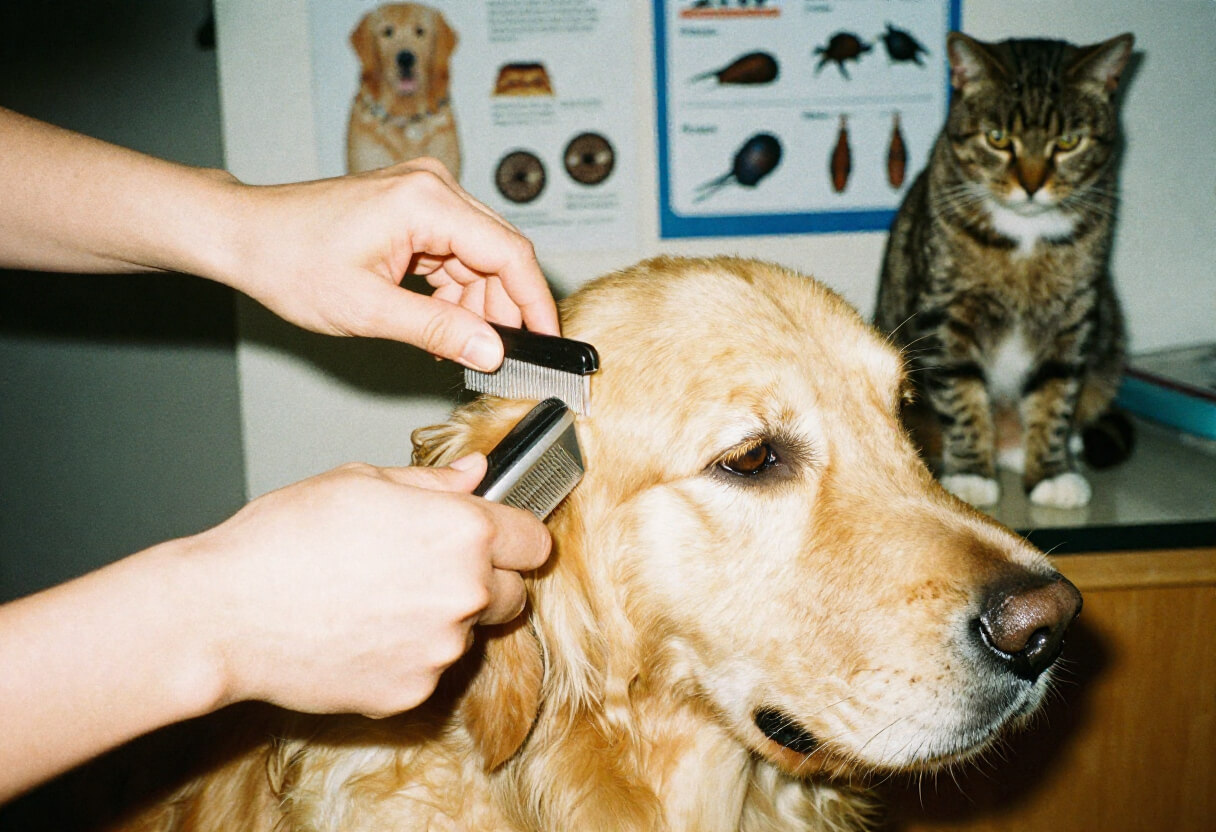
Proper grooming and hygiene are major components of parasite prevention. Regular brushing helps you spot early signs, such as flea dirt (tiny black specks), redness, or hair thinning. Bathing your pet with veterinarian-approved shampoos also helps reduce the risk. For dogs that spend a lot of time outdoors, a combination of grooming and monthly preventatives provides a strong defense.
Your home environment plays a big role, too. Flea eggs and larvae can survive in carpets, bedding, and cracks in flooring. Vacuuming frequently, washing pet bedding weekly, and using home-safe insect control sprays can drastically reduce infestation risks. In multi-pet homes, it’s important to treat every animal—even if only one shows symptoms—because fleas easily jump between hosts.
For outdoor prevention, keeping your yard maintained is one of the simplest yet most overlooked steps. Trim tall grass, remove leaf piles, and avoid keeping woodpiles close to the home, as these areas attract ticks. Some pet owners also choose to use yard-specific flea and tick treatments for an added layer of protection.
If your pet becomes infected, addressing it early is crucial. Flea infestations can escalate rapidly, with one female flea laying up to 50 eggs per day. Quick treatment with vet-recommended medications can stop the lifecycle. With ticks, the immediate goal is safe removal. Using fine-tipped tweezers, gently grasp the tick close to the skin and pull steadily upward. Avoid twisting or crushing the tick, as this can cause parts to remain embedded. After removal, clean the area with antiseptic and monitor your pet for any unusual symptoms over the next few days.
Many pet owners prefer natural prevention methods to supplement medical treatments. Herbal flea sprays, diatomaceous earth, or essential oil diffusers (safe, pet-friendly ones only) can provide additional protection. However, these should never replace veterinary-approved preventatives—they should be used only as supportive measures.
Ultimately, keeping your pets safe from fleas and ticks requires a combination of consistent preventative treatments, regular grooming, home cleanliness, and outdoor awareness. With a well-rounded approach, you can significantly reduce the risks these parasites pose and ensure your pets stay healthy, comfortable, and happy year-round.