
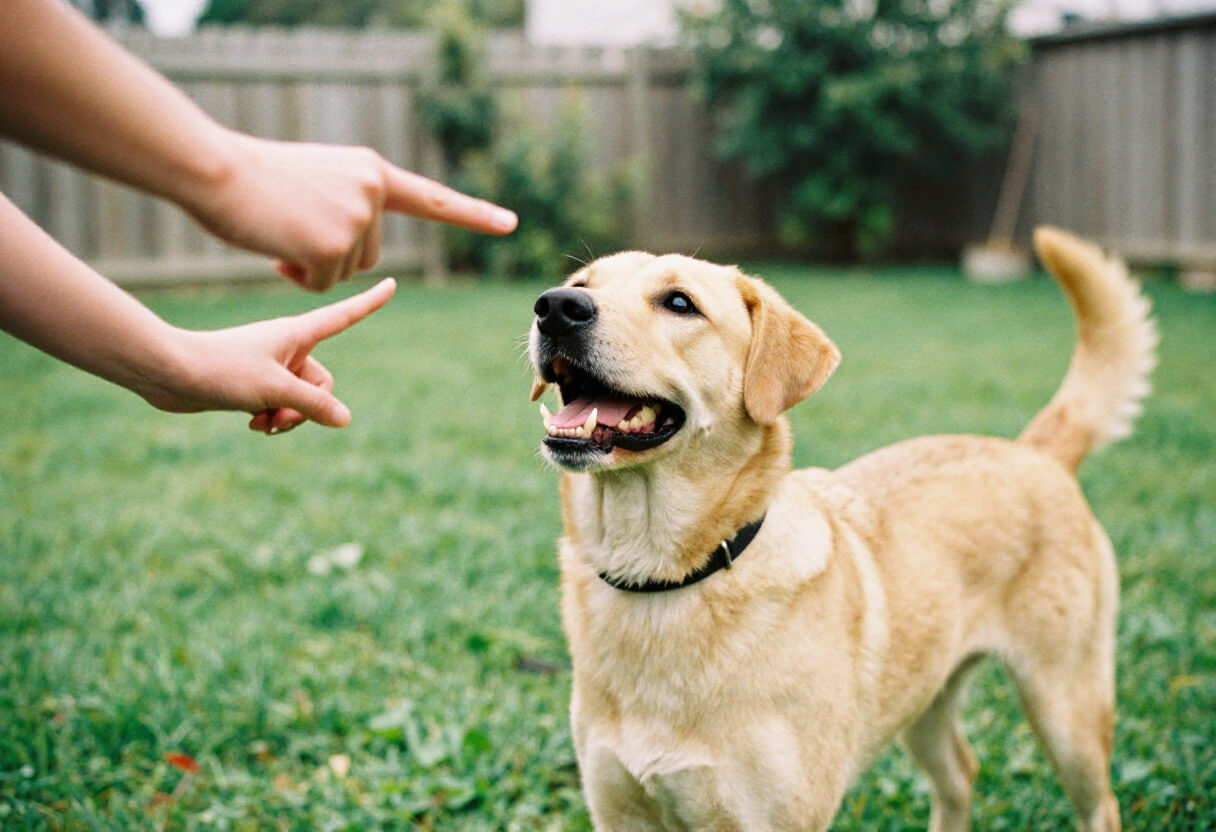
Training plays a crucial role in shaping a pet’s behavior and strengthening the bond between pets and their owners. Effective training is not only about teaching commands; it also involves understanding the animal’s instincts, motivations, and emotional needs. A well-trained pet is happier, more confident, and safer in everyday situations. Whether you are raising a playful puppy, introducing a new kitten to household rules, or working with an older pet that needs behavior correction, a thoughtful training approach is essential.
The foundation of good training lies in positive reinforcement. Rewards such as treats, praise, or playtime encourage pets to repeat desired behaviors. This method builds trust and motivates pets to learn in a stress-free environment. Punishment-based training, on the other hand, can create fear and confusion, leading to anxiety or aggression. Consistency is key—everyone in the household must follow the same rules and reward system so the pet receives clear, predictable signals.
Understanding your pet’s personality also enhances the training process. Some dogs respond eagerly to praise, while others are more food-driven. Cats often prefer clickers, toys, or short sessions to maintain interest. For more independent pets, such as rabbits or ferrets, training relies on gentle repetition and patience. Tailoring your methods to suit your pet increases the chances of success.
Behavior issues—such as barking, scratching, jumping, or chewing—often stem from unmet physical or emotional needs. Excessive energy may cause destructive behavior, so regular exercise and mental stimulation can significantly reduce problems. Interactive toys, scent games, and short training sessions help keep pets engaged. For cats, enrichment may include vertical spaces, scratching posts, and puzzle feeders. Reducing stress triggers also plays a major role; for example, creating quiet zones for nervous pets or using calming aids during transitions.
Socialization is another essential aspect of pet training. Introducing young pets to various environments, people, and other animals helps them become well-adjusted adults. Gradual exposure builds confidence and prevents fear-based reactions. Socialization should be positive and controlled, ensuring that pets associate new experiences with safety rather than fear.
Training is an ongoing process, not a one-time task. Regular practice reinforces learned behaviors and provides opportunities to teach new skills. Obedience commands—such as “sit,” “stay,” and “come”—form the foundation, but advanced training challenges pets mentally and enhances their quality of life. Many owners find that training sessions strengthen communication and deepen their bond with their pets.
Ultimately, training is an investment in your pet’s happiness and your peace of mind. With patience, consistency, and positive reinforcement, all pets can learn desirable behaviors and overcome challenges. A well-trained pet becomes a confident companion who is easy to live with and a joy to be around.